Children’s Book Illustration in Ireland

Children's Book Illustration Services in Ireland: Original Artwork for Your Story

An author can know exactly how a story feels and still have no idea how to explain that feeling in pictures. Even once the writing is finished, questions remain. How many illustrations does the book actually need? What should the characters look like? How do you find someone whose style genuinely fits the mood of the story, rather than imposing one look on every project?

Ireland Publishing House children’s book illustration in ireland
Original Artwork

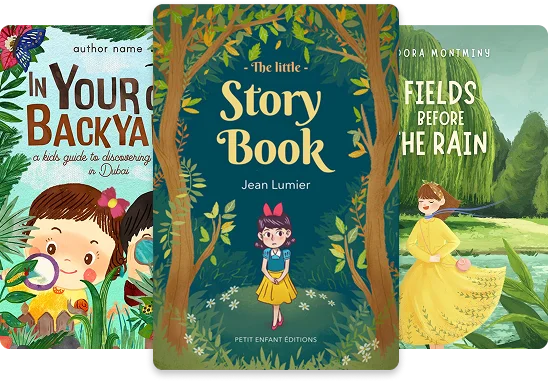
Ireland Publishing House creates original illustrations for children's books, picture books and selected fiction titles, working with authors to match style and tone to the story itself. This page is written for authors and small publishers who are weighing up a project like this for the first time, whether that is a full picture book, a children's fiction title needing a handful of images, or a single cover piece.

The aim here is practical help rather than a sales pitch. You will see what kinds of projects tend to fit, what to prepare before getting in touch, and which details are worth agreeing before any artwork begins. By the end, you should know how to start a useful conversation about your own story.

Children’s Book Illustration in Ireland
Who It Is For

Illustration for Children's Books, Picture Books and Selected Fiction

Who the Service Is For

This service suits picture book authors planning a full sequence of scenes, writers commissioning artwork for children's fiction, and authors exploring a smaller number of illustrations for a selected fiction project. The right scope depends on the manuscript, the intended reader, and the publishing plan, not simply on how many pages the book runs to.

First-time commissioners do not need a fully solved visual plan before reaching out. A manuscript or a representative excerpt, together with a few notes on audience and mood, is a genuinely useful starting point. The rest of the detail can be worked out through conversation.

Matching Visual Direction to the Story

The same plot can call for very different treatments depending on the reader's age, the emotional tone of the story and the role the images are meant to play. A lively adventure for early readers calls for different choices than a quiet bedtime story, in colour, detail and how much space each scene is given to breathe.

Authors can describe the qualities they want in plain terms: a gentle or energetic mood, expressive characters or carefully detailed settings, soft textures or clear graphic shapes. Reference images are most useful when they point to a quality, such as warmth, movement or texture, rather than asking an illustrator to copy another living artist's distinctive work.

Expert tip: Share the intended reader age and emotional tone before discussing visual direction. Those two details shape character proportions, colour choices and how much room a scene needs.

brand logo
brand logo
brand logo
brand logo
brand logo
brand logo
brand logo
brand logo
brand logo
brand logo
brand logo
brand logo
brand logo
brand logo
brand logo
brand logo
Ireland Publishing House portfolio Our Portfolio

A Recent Look at Our Author Portfolio

Browse real author projects with live retailer links, sorted by genre.

Illustration Styles

Find a Style That Fits Your Story

A Portfolio Organised Around Reader Decisions

Rather than browsing a single mixed gallery, visitors can look through actual, permission-cleared portfolio work organised by category, such as picture books, children's fiction and overall visual mood. Each piece is captioned honestly, naming the project type, the intended mood, and one visual choice that supports the story, so client commissions are never confused with personal or illustrative samples.

It helps to look past surface style alone. Notice whether expressions read clearly, whether the setting supports the action, and whether the overall feel suits your intended audience.

Five Question Style Fit Selector

A short set of questions helps narrow down which portfolio samples and discussion points are worth exploring first. It is a conversation starter, not a promise of an automatic match.

  • Who is the intended reader?
  • What mood should the story leave behind?
  • Does the story rely more on expressive characters, detailed settings, or both?
  • Which visual qualities appeal to you, such as soft textures, lively shapes, or a calm palette?
  • Do you have reference images that help explain those preferences?

As an example, an author choosing an early reader audience, a playful but gentle mood, expressive characters, soft textures, and no reference images would typically be pointed towards warm, character-led samples, with a suggestion to describe the lead character's feelings and the story's gentle humour in their enquiry. This shows how the answers guide a useful first conversation. It does not guarantee a particular artistic outcome.

A short planning example: picture a shy fox preparing to read aloud at a village gathering. The opening scene shows the busy room from a distance, with the fox small near the doorway. A closer view then shows the fox noticing a younger rabbit clutching a book. After the page turn, the fox begins reading while the rabbit follows along. Moving from distance to intimacy across these scenes helps a young reader sense the fox's hesitation, and then its decision to begin. This sequence is an illustrative example only, used to show how a visual choice supports a story beat, not a description of a completed project.

A Visual Decision, Made Visible

A clear silhouette, a readable expression, a focused composition, or a well-placed page turn can help a young reader follow a story beat without needing every word explained. Showing one annotated example, rather than making a general claim about creativity, is a far more honest way to demonstrate this kind of thinking. Where a suitable client sample is not available, a clearly labelled illustrative scene can show the same reasoning instead, always identified accurately as such.

Before You Commission

What to Prepare Before Commissioning

Start with the Story, Audience and Image Needs

Sharing the manuscript, or a representative excerpt, alongside a short synopsis gives a clear starting point. The synopsis sets out the overall arc, while the text itself helps identify which moments might need a full scene, a smaller spot illustration, or a deliberate pause with no image at all.

A rough scene list or page map is also useful, even in draft form. It helps surface recurring characters, key moments, and the visual transitions between them, which in turn makes it easier to judge how many images a coordinated book project is likely to need.

Illustrative Scene: Keeping the Main Action Readable

A festival scene was meant to feel crowded and exciting, but in the first sketch the main character nearly disappeared among the stalls, bunting and passing figures. Pulling the background shapes into simpler groups, and keeping the clearest contrast around the protagonist's raised hand, kept the market feeling busy while letting the reader's eye land on the character's action first.

That is the kind of decision worth discussing early: when to simplify a busy scene so the story action stays readable, while keeping enough setting detail to let the page feel alive. This passage is offered as an illustrative example for authors to picture the thinking involved, not as a report of a specific client commission.

A Short Downloadable Illustration Brief

A simple worksheet can help organise the first conversation, covering the story summary and manuscript status, intended reader age and emotional tone, main characters and their defining traits, key scenes or an approximate image count, intended formats and publishing plans, preferred visual qualities and any reference material, and desired timing along with any relevant constraints. This kind of brief supports the first discussion. It is not a substitute for the creative collaboration that follows.

Top Categories

Genres We Publish Most Often in Ireland

From Irish children’s book publishers in Ireland to academic and business titles, our editors and designers work comfortably across most genres and reading ages.

Memoirs & Autobiographies

Business & Leadership

Self-Help

Fiction

Children's Books

Health & Lifestyle

Poetry

Academic & Research

Spirituality

History & Culture

Cookbooks

Travel & Adventure

The Process

How the Commissioning Process Can Work

From Enquiry to Visual Direction

A typical project moves through a clear sequence of stages. First, an initial enquiry, where the author shares the project type, story summary, intended audience, manuscript status, approximate image needs and desired timing. Next, a project review discusses the story, likely scope, publishing plans and the visual qualities that may suit it.

From there, a written proposal sets out the scope, deliverables, rights, revision approach, milestones and payment schedule before any work begins. Visual direction follows, settling central character traits, tone and the broad approach before individual scenes are developed. A draft review stage gathers consolidated feedback on the agreed work, and final delivery confirms the agreed files and uses before the completed artwork is handed over under the written terms.

An author whose manuscript is still in progress can often begin with an excerpt or synopsis. The scope is agreed around whatever material is actually available at the time.

Keep Decisions and Feedback Clear

Agreeing character continuity early, such as a small set of defining traits like silhouette, clothing cues and expressive range, makes it far easier to develop multiple scenes consistently. It also helps to separate feedback on concept from feedback on finish, resolving composition and storytelling first before refining line, colour or detail.

Where possible, one decision maker or one consolidated feedback document avoids contradictory notes from several reviewers slowing things down. It is also worth being clear about the difference between a revision to an agreed concept and a genuinely new request, such as adding a scene or changing direction substantially.

Expert tip: Ask for feedback on the storytelling decision first. If the composition is not working, adjusting colour or surface detail will not solve the underlying problem.

How the Commissioning Process Can Work
Scope and Rights

Planning Scope, Deliverables and Rights

Compare Possible Project Scopes

The table below is an illustrative planning aid, not a list of confirmed packages or currently available offers. It is meant to help you think through what your project might involve and what to prepare.

Illustrative project scopeReader's purposeUseful materials to prepareQuestions to agree before work begins
Character concept Establish a lead character's appearance and expressive qualities before planning multiple scenes Story summary, intended reader age, character description, mood and any visual references What character views or expressions are included? Which file formats and uses are needed? How will revisions be handled?
Single scene illustration Show one important story moment for a book or selected fiction project The relevant passage, scene context, character details, intended format, and notes on emotional tone What scene and composition are in scope? What formats and usage rights are required? What counts as a revision versus a new direction?
Coordinated book project Plan a sequence of scenes with consistent characters, visual direction and story pacing Manuscript or representative excerpt, rough page map or scene list, intended reader age, recurring character traits and publishing plans Which illustrations and files are included? What are the review stages, milestones, revision terms and licence scope?

Agree Deliverables Before Work Starts

A written proposal should specify the image count, file formats, intended uses, revision rounds, milestones and licence scope. Terms depend on the particular commission, so this page avoids suggesting a standard package or a fixed revision policy. A coordinated book project usually needs planning around recurring characters and scene continuity, while a single illustration tends to have a narrower, one-scene scope.

Discuss Rights in Plain Language

A short checklist can prompt a practical conversation about print use, ebook or other digital use, promotional use, territory, duration and future editions. Describing how the book and its artwork will actually be used is the best starting point for agreeing the right licence in writing. This page offers general information rather than legal advice, and it does not imply that a single licence automatically covers every use.

Understand How Scope Affects Planning

A coordinated sequence of scenes requires decisions about repeated characters, visual consistency and how one scene leads into the next, which differ from the needs of a single finished image. These planning questions are worth working through early, since they shape both the timeline and the kind of brief that will be most useful.

Let’s talk about your story.

Enquire About an Illustration Project

Make the First Enquiry Useful

A useful first message includes the project type and a short story summary, the intended audience and manuscript status, an approximate image count or scene list if one exists, preferred visual qualities and any reference images, and your publishing plans, intended uses and desired timing. This information helps shape a focused first conversation about fit and scope, whether you are based in Dublin, Cork, Galway, Limerick, Waterford or anywhere else in Ireland, since the whole process can be managed by email and online review.

Close with a Direct Invitation

If you are searching for illustration support in Ireland for a children's book, picture book, or selected fiction title, the simplest next step is to send a manuscript excerpt, a short synopsis, or an early project outline. There is no obligation attached to a first enquiry, and no pressure to have every detail settled before reaching out. A clear starting point is enough to begin discussing original artwork for your story, and the result, when the process runs well, is an illustrated book that feels considered and consistent from the first page to the last.

Services We Offer

Other Services Built to Support Your Whole Journey

We offer a full range of publishing company support in Ireland to help you move from manuscript to finished book. Each service runs in clear stages, giving you structure and steady, professional guidance from start to finish.

Book Publishing

We work as a book publishing company in Ireland across major platforms, including Amazon KDP and IngramSpark. Whether you choose print, eBook, or both, we help you pick the right format when publishing a book in Ireland.

Explore Service

Book Editing

Our editors support literary publishing in Ireland through developmental editing, line editing, copy editing, and proofreading, depending on your manuscript’s needs. We improve structure, language, and accuracy while keeping your voice intact.

Explore Service

Ghostwriting Services

As Irish publishers in Ireland offering ghostwriting, we cover fiction, non-fiction, autobiographies, business books, self-help, and children’s stories. Our writers shape your raw ideas into a clear, well-written manuscript through structured collaboration.

Explore Service

Cover Design

We design covers for fiction, non-fiction, academic titles, and books from paperback publishers in Ireland, in print and digital formats. From illustrated artwork to clean typography, our designers build covers that suit your genre and readers.

Explore Service

Book Formatting

Working as book publishers and printers in Ireland, we format novels, academic texts, children’s books, and non-fiction titles. Our layouts suit paperback, hardback, and eBook versions, meeting platform and print requirements.

Explore Service

Book Marketing

We support book publishing companies in Ireland by helping promote titles through launch planning, online listings, author branding, and targeted campaigns. Our approach focuses on visibility across digital platforms, reaching the right readership for your genre.

Explore Service

Book Proofreading

We proofread manuscripts line by line, catching spelling, grammar, punctuation, and formatting errors before your book goes to print. Our proofreaders check consistency in names, timelines, and style, giving your book a clean, professional finish.

Explore Service

Book Illustration

We create original illustrations for children’s books, picture books, and select fiction titles, working closely with authors to match style and tone. From character sketches to full-page artwork, our illustrators bring your story to life.

Explore Service

Author Website

We build simple, professional websites so readers can find you, your books, and your story in one place. Each site includes your author bio, book listings, and purchase links, beyond social media alone.

Explore Service

Book Printing

We handle print production for paperback and hardback editions, working with trusted printers to match your budget and quality expectations. From proof copies to full print runs, we manage the process closely.

Explore Service

Audiobook

We prepare and produce audiobook versions of your book, including narration, editing, and formatting for major platforms. Whether you choose a professional narrator or your own voice, we help your book reach new listeners.

Explore Service

Amazon Kindle Service

We format and publish your book directly to Amazon Kindle, including eBook conversion, metadata, and category selection to help readers find your title. We also guide you through Kindle Direct Publishing pricing and royalty options.

Explore Service

Children’s Book Publishing

We support authors writing for younger readers, from picture books to early chapter books, handling editing, illustration, and formatting suited to children’s titles. Our team understands age-appropriate language, pacing, and design that keeps young readers engaged.

Explore Service
Questions? Reach Out Now

Talk to Our Ireland Publishing Team

Share your goals or book a call. As book publishers in Ireland and one of the publishing companies in Ireland, we will find your next step.

Ready to Publish?

Client Reviews

See Why Authors Trust Ireland Publishing House

You can read recent public reviews and profiles from Trustpilot, Reviews.io, Google, and Bark, linked straight to the original platforms for easy checking.

We Are Here To Answer All Your Questions.

Frequently Asked Questions

Start by looking at an illustrator's existing portfolio work for projects similar to yours, not just their overall style. Check how clearly they explain their process, how revisions are handled, and whether the same person stays on your project from the first sketch to final delivery.

No. A representative excerpt and a short synopsis are usually enough to start a conversation about scope and visual direction. A full, polished manuscript becomes more useful once detailed scene planning begins.

This depends on the format and page count. A picture book typically needs a full sequence of connected scenes across every spread, while a longer children's fiction title often needs only a handful of images placed at key chapters. The right number is agreed once the manuscript and format are known.

Usage rights should always be agreed in writing before work begins, covering print, digital, promotional use, territory and duration. There is no single standard arrangement, so this is worth discussing openly at the start of any commission rather than assuming it afterwards.

This varies by project and should be set out in the written agreement before work starts. It helps to settle feedback on the story and composition first, since changes to the underlying concept are handled differently from refinements to colour or detail.

Yes. Briefing, reviewing drafts and approving final artwork can all be managed by email and online review, so authors across Ireland and beyond can collaborate on a project without meeting in person.

A picture book illustrator plans artwork as a connected sequence, thinking about page turns, pacing, and character continuity across the whole book. A general illustrator may focus on single standalone images, which is a different skill from carrying one visual story across many pages.

Yes. A single cover or character concept is a common starting point for authors who need one strong image rather than a complete set of scenes, and it can also help settle a visual direction before a larger project is agreed.

Our Commitment To Authors

We guide you through the process in clear, simple steps, so you always know what is happening and what comes next. Your work stays fully confidential, your feedback is taken seriously, and nothing moves forward without your approval. Our role is simply to remove confusion, protect your work, and see your book through to a proper, professional finish.

Start Your Book
+

Get a Free Consultation