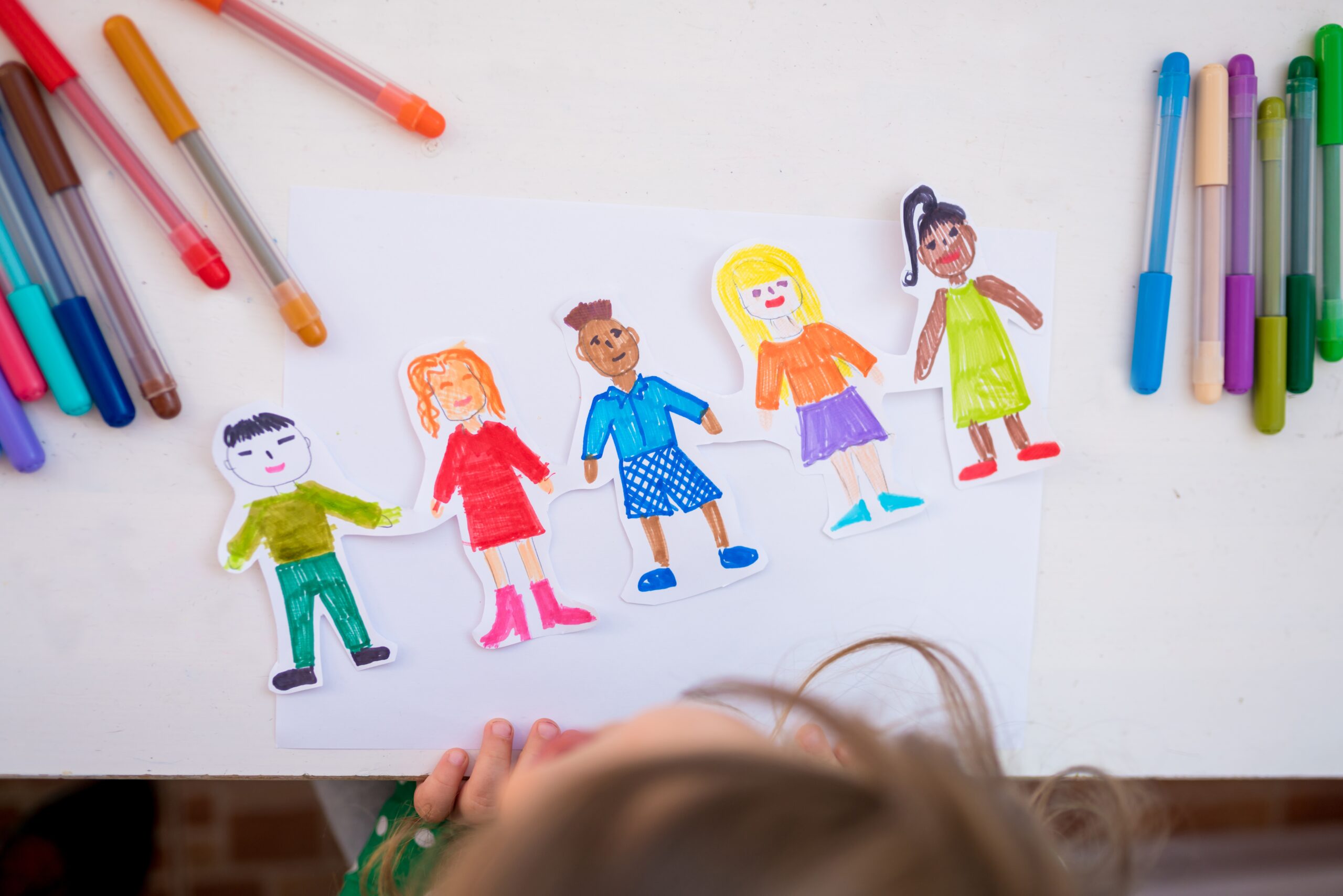
There is something about a well-illustrated children’s book that stays with you long after you’ve grown up. You might forget the exact words on the page, but you remember the pictures. The wild, scratchy monsters. The colours that didn’t quite follow the rules. The faces that made you laugh before you even understood what was happening in the story.
That’s the power of children’s book illustrations. They do not just decorate a page. They become part of how a child understands a story, feels an emotion, and falls in love with reading for the first time.
In Ireland, there is a growing and genuinely exciting scene around children’s book illustration. Irish illustrators are winning international awards, independent publishers are investing in visual storytelling, and more authors than ever are thinking seriously about how their books should look, not just how they should read. Whether you are an aspiring illustrator wondering how to break into the industry, a writer looking to understand the process, or a parent curious about what goes into making the books your children love, this guide covers all of it.
We are going to walk through what a book illustration actually is, look at some of the most famous illustrators in history and what made their work unforgettable, break down the practical steps for becoming a children’s book illustrator in Ireland, talk money and payment structures, explore the mediums and techniques that illustrators use, and cover everything you need to know about publishing an illustrated book. There is a lot of ground to cover, so let’s get into it. And if at any point you find yourself ready to take the next step with your own book, Ireland Publishing House is just a message away.
Before we go any further, let’s make sure we are on the same page about what a book illustration actually is.
A book illustration is a visual representation created specifically to accompany written text. It is not clip art dropped into a manuscript. It is not a random drawing placed next to a paragraph because the page looked empty. A true illustration is a piece of artwork designed to work in conversation with the words around it, adding layers of meaning, emotion, and context that the text alone cannot achieve.
In children’s books especially, the relationship between text and illustration is deeply connected. For very young readers, picture books often tell half the story through images. A child who cannot yet read fluently can still follow a narrative, understand characters, and respond emotionally to a book because the illustrations carry so much of the storytelling weight.
Think about it this way. A sentence like “the boy was scared” communicates a basic fact. But an illustration showing that same boy with wide eyes, standing at the edge of a dark forest with shadows curling around the trees, communicates a feeling. It invites the reader into the moment rather than just telling them about it.
This is why what a book illustration does is so much more than decoration. It is storytelling in its own right. The best illustrators understand that their job is not to repeat what the text says but to expand it, challenge it, and sometimes even contradict it in playful, clever ways that enrich the reading experience.
In Ireland, this understanding of illustration as a narrative art form is deeply respected. Irish children’s book publishers put genuine thought into how text and image work together, and the results are books that feel considered and complete. If you are interested in how book design shapes a reader’s experience, illustration is where that process reaches its most creative form.
To understand where children’s book illustration is today, it helps to look at the people who shaped it. A few names tower above the rest, and their work continues to influence how illustrators approach the craft.
Here is a question that catches a lot of people off guard: Who illustrated Dr. Seuss books? The answer is Dr. Seuss himself. Theodor Seuss Geisel, the man behind the pen name, was both the writer and the illustrator of nearly all his books. That is part of what made his work so distinctive. The words and the pictures came from the same imagination, and you can feel that unity on every page.
His illustration style was unlike anything that came before it. Wobbly lines, impossible architecture, creatures that looked like they had been dreamed up during a fever, colours that clashed in the most joyful way possible. Nothing in a Dr. Seuss illustration looks “correct” in a traditional art sense, and that was entirely the point. His drawings matched the anarchic energy of his writing. They told children that rules could be bent, that the world could look however you wanted it to, and that silliness was a perfectly valid way to understand life.
What books did Dr. Seuss illustrate? Practically all of them. The Cat in the Hat, Green Eggs and Ham, Oh, the Places You’ll Go!, How the Grinch Stole Christmas, and dozens more. Each one is instantly recognisable because Geisel’s visual language was so completely his own.
For aspiring illustrators, the lesson from Dr. Seuss is not about copying his style. It is about developing your own. The most memorable illustrators are the ones whose work you can identify without seeing their name on the cover.
The Harry Potter series has been illustrated by several artists across different editions, which is itself an interesting case study in how illustrations shape a reader’s relationship with a book.
The original UK editions featured cover art by Thomas Taylor for the first book, followed by Cliff Wright for the next three. Jason Cockroft handled the covers for the later books in the series. In the United States, Mary GrandPré became the definitive Harry Potter illustrator, creating both the cover artwork and the chapter illustrations that American readers grew up with.
More recently, Jim Kay produced the fully illustrated editions of the Harry Potter books, and these are stunning pieces of work. His richly detailed paintings brought Hogwarts, Diagon Alley, and the Forbidden Forest to life in ways that even the films had not quite managed. How many Harry Potter books have been illustrated in this fully illustrated format? Five of the seven have been completed so far, with the remaining two still in progress.
The Harry Potter example shows something important about children’s book illustration. The same story can be transformed by different artistic interpretations. Each illustrator brought their own vision to J.K. Rowling’s world, and each version feels genuinely different as a reading experience. That is the mark of illustration that matters.
You cannot talk about children’s book illustration without talking about Quentin Blake. His partnership with Roald Dahl produced some of the most beloved children’s books ever published, and his loose, energetic drawing style became inseparable from Dahl’s writing.
How many books has Quentin Blake illustrated? Over 300 across his career, which is an astonishing body of work by any measure. What books did Quentin Blake illustrate? The list includes Charlie and the Chocolate Factory, Matilda, The BFG, James and the Giant Peach, The Witches, and virtually every other Roald Dahl title that defined a generation of readers.
Blake’s genius lies in his apparent simplicity. His drawings look quick, almost dashed off, but that looseness is deceptive. Every line is placed with purpose. His characters are full of movement and expression, and his illustrations have a warmth and humanity that perfectly complement Dahl’s darker, more subversive humour. A Quentin Blake drawing makes you feel like the story is happening right now, unfolding in real time on the page.
For illustrators working in Ireland or anywhere else, Blake’s work is a masterclass in how restraint and energy can coexist. You do not need to render every detail to create an image that feels alive.
So what if you want to do this yourself? What does it actually take to become a children’s book illustrator in Ireland?
The honest answer is that there is no single path. Some illustrators study fine art or design at university. Others come through graphic design or animation courses. Some are entirely self-taught. What matters far more than your formal qualifications is your portfolio, your understanding of storytelling, and your ability to connect with publishers and authors.
The foundation of any illustration career is your portfolio. This is what publishers, authors, and art directors look at when deciding whether to work with you. It needs to show range, consistency, and a clear understanding of how to illustrate a children’s book specifically.
That means including work that demonstrates you can create characters with personality, compose scenes that tell a story, and maintain visual consistency across a sequence of images. A single beautiful painting is great for a gallery wall, but publishers want to see that you can sustain a visual narrative across 32 pages.
If you are still building your skills, there are some excellent illustration courses available in Ireland. The National College of Art and Design in Dublin offers programmes in illustration, and there are shorter courses and workshops run throughout the year by organisations like Illustrators Ireland. Online platforms such as Domestika and Skillshare also offer courses specifically focused on how to illustrate children’s picture books.
Practice by creating sample spreads for stories you love, or write your own short stories and illustrate them. The goal is to have a body of work that feels cohesive and shows publishers what you would bring to a project.
Ireland has a surprisingly tight-knit illustration community, and networking within it is genuinely important. Illustrators Ireland is the main professional body and a brilliant resource for anyone serious about the craft. They run events, share opportunities, and provide a community of peers who understand the specific challenges of working in illustration in Ireland.
Book fairs and literary festivals are also valuable. Events like the Dublin Book Festival, the Bray Literary Festival, and Children’s Books Ireland events bring together illustrators, publishers, editors, and authors in settings where real connections happen. Attending these is not just about being seen. It is about understanding the market, hearing what publishers are looking for, and learning from illustrators who are already established.
Job opportunities for children’s book illustrators in Ireland fall broadly into three categories.
Working with traditional publishers is the most established route. Irish publishers like The O’Brien Press, Little Island, and Gill Books regularly commission illustrators for children’s titles. Getting your work in front of their art directors, either through direct submissions or through contacts made at industry events, is the standard approach.
Self-publishing is increasingly popular and gives illustrators the chance to work on projects where they have more creative control. If you are an author-illustrator, understanding how to publish your book in Ireland is essential knowledge.
Freelance illustration work covers everything from educational publishing to editorial illustration to private commissions from authors. This is often where newer illustrators build experience and begin to develop a reputation. If you are a writer looking for an illustrator or an illustrator looking for ghostwriting collaboration, freelance networks are the place to start.
Illustrations in children’s books do far more than make pages look pretty. They serve as a genuine educational and emotional tool, and their function changes significantly depending on the age of the reader.
For babies and toddlers, board books rely almost entirely on images. The illustrations are bold, high-contrast, and simple, designed to hold a very young child’s attention and begin building the association between objects and their visual representations. At this stage, the illustrations are the story.
For children aged three to five, picture books use a more sophisticated interplay between text and image. The words might tell you what a character says, but the illustration shows you how they feel. This is where children begin to develop visual literacy, the ability to read images the way they will later learn to read text. Illustrations at this stage often carry subtext, humour, and detail that rewards repeated reading.
Early readers, aimed at children aged five to eight, begin to shift the balance. The text carries more of the story, and illustrations support it rather than drive it. But they remain essential for maintaining engagement, breaking up text-heavy pages, and helping reluctant readers stay motivated.
For middle-grade readers, illustrations become sparser but no less important when they appear. Chapter headers, spot illustrations, and maps all serve specific purposes and contribute to the reading experience.
The key takeaway for both illustrators and authors is that illustrations must be designed with intention. The age of the reader, the theme of the book, and the emotional tone of the story all dictate what kind of illustrations are needed and how they should be executed.
Money talk. Let’s get into it, because understanding how illustrators get paid for children’s books is important, whether you are an illustrator setting your rates or an author budgeting for a project.
There are three main payment models for book illustration.
A flat fee is the simplest. The illustrator agrees to produce a set number of illustrations for a fixed price. Once the work is delivered and paid for, the transaction is complete. The illustrator does not receive any additional income from book sales. This model is common for self-published projects and smaller publishers.
Royalty-based payment means the illustrator receives a percentage of book sales, typically between 2% and 5% for an illustrator working alongside a separate author. If the illustrator is also the author, royalties are higher. This model is standard with traditional publishers and means the illustrator’s income is tied to the book’s commercial success.
Advance plus royalties is the model used by most established publishers. The illustrator receives an advance payment upfront, which is essentially a prepayment against future royalties. Once the book has earned enough in royalties to cover the advance, the illustrator begins receiving additional royalty payments. If the book does not earn out its advance, the illustrator keeps the advance anyway.
How much to charge for book illustrations is one of the most common questions new illustrators ask, and the answer depends on experience, project complexity, and the type of work involved.
| Experience Level | Per Illustration (€) | Per Page (€) | Full Picture Book (32 pages) | Hourly Rate (€) | Notes |
| Beginner / Student | 50 – 150 | 80 – 200 | 800 – 2,500 | 15 – 30 | Portfolio building stage, lower commercial rates |
| Emerging Illustrator | 150 – 400 | 200 – 500 | 2,500 – 6,000 | 30 – 50 | Some published work, improving consistency |
| Professional | 400 – 1,000 | 500 – 1,200 | 6,000 – 15,000 | 50 – 100 | Regular publishing clients, strong portfolio |
| Established / Senior | 1,000+ | 1,200+ | 15,000 – 40,000+ | 100 – 200+ | Award-winning or highly experienced illustrators |
These figures are guidelines, not rules. A highly experienced illustrator with a strong portfolio and a track record of published work will command higher rates. A newer illustrator building their reputation may work for less, particularly on projects that offer good exposure or creative satisfaction.
Additional costs to factor in include revisions beyond the agreed number, cover illustration (which is often priced separately from interior illustrations), and any licensing or usage rights beyond the initial publication.
If you are an author working with an illustrator, understanding editing and illustration costs as part of your overall publishing budget is essential for realistic financial planning. You can also explore what it might cost to self-publish a book in Ireland to get a broader picture of the investment involved.
The medium an illustrator uses is not just a technical choice. It defines the entire look and feel of a book.
Watercolour is perhaps the most associated medium with children’s book illustration. It produces soft, luminous images with a handmade quality that feels warm and inviting. Think of the gentle washes in classic Beatrix Potter illustrations or the more expressive splashes in Quentin Blake’s work.
Gouache is similar to watercolour but more opaque, giving illustrations a bolder, more graphic quality. It is popular among illustrators who want strong, flat colours with clean edges.
Pencil and ink remain widely used, either on their own or as the foundation for colour work. Pen and ink illustrations have a timeless quality and reproduce well in print, which is a practical consideration that matters more than you might think.
Collage and mixed media techniques have become increasingly popular in children’s illustration. Artists like Eric Carle, whose work on The Very Hungry Caterpillar used hand-painted tissue paper collages, demonstrated that children’s book art could be anything.
Digital tools have transformed the illustration industry. Software like Procreate on iPad, Adobe Photoshop, and Clip Studio Paint gives illustrators enormous flexibility. Digital work can mimic traditional mediums convincingly, allows for easy revisions, and integrates smoothly with modern printing workflows.
What medium does Stephanie Blake use to illustrate her books? Her bold, graphic style combines digital techniques with strong colour palettes, creating illustrations that are clean, energetic, and instantly recognisable to young readers.
The question of are vectors used in book illustrations comes up regularly. Vector graphics, created in software like Adobe Illustrator, are resolution-independent and produce clean, scalable artwork. They are used in some children’s books, particularly those with a bold, graphic aesthetic, but they are less common than raster-based digital illustration or traditional media. Vectors tend to produce a smoother, more geometric look that suits certain styles but can feel clinical for stories that benefit from a softer, more organic touch.
The right medium depends on the story. A gentle bedtime book might call for soft watercolours. An action-packed adventure might suit bold digital illustration. A quirky, surreal tale might work best in mixed media or collage.
The audience matters too. Very young children respond to high-contrast, bold imagery. Older readers can appreciate subtlety and detail. And the practical requirements of printing, including colour reproduction and paper stock, play a role in which mediums work best for a given project. Understanding how book cover design connects to interior illustration style helps create a cohesive visual identity for the entire book.
You have got the illustrations. You have got the story. Now how do you actually get this thing published?
The traditional route involves submitting your manuscript and illustration samples to publishers who accept children’s book submissions. In Ireland, publishers like The O’Brien Press, Little Island, Gill Books, and An Gúm all publish children’s titles and are open to submissions, though their specific requirements and timelines vary.
Most publishers prefer to receive a complete manuscript with a selection of sample illustrations rather than a fully illustrated book. This is because publishers often want input into the illustration style, pacing, and layout, and working with a partially complete project gives them that flexibility.
If you are submitting, a strong synopsis is essential. Publishers receive hundreds of submissions, and a clear, compelling synopsis helps yours stand out from the pile.
Working with a literary agent can open doors to publishers who do not accept unsolicited submissions. Agents also negotiate contracts, which is particularly valuable when it comes to illustration rights and royalty splits. The publishing landscape in Ireland is competitive but welcoming, and there are genuine opportunities for illustrators and author-illustrators who approach it professionally.
Self-publishing an illustrated children’s book has become increasingly viable, and platforms like Amazon KDP and IngramSpark make it accessible to authors and illustrators who want full creative control.
The advantages are clear: you choose the illustrator (or illustrate it yourself), you control the design, you set the price, and you keep a larger share of the revenue. The disadvantages are equally clear: you bear all the costs upfront, you handle your own marketing, and you are responsible for the quality of every element, from editing to formatting.
For illustrated books specifically, self-publishing requires careful attention to print quality. Children’s picture books need high-resolution images, accurate colour reproduction, and paper stock that does justice to the artwork. Print-on-demand services have improved dramatically in recent years, but it is worth ordering proof copies and checking the print quality before making your book available to buyers.
If you are considering this route, understanding how to design a book cover in Ireland that works within genre expectations is crucial, because the cover is still the first thing any potential reader sees.
Print-on-demand is particularly relevant for illustrated books in Ireland because it eliminates the need for large print runs. Instead of ordering 1,000 copies and hoping they sell, each copy is printed individually when a customer orders it. This keeps costs low and removes the risk of sitting on unsold inventory.
For Irish illustrators and authors, POD services also make it easier to sell directly through your own website, at book fairs, and at school visits, all of which are important sales channels for children’s books in the Irish market.
The growing interest in Irish-language children’s books also creates opportunities for illustrators willing to work on bilingual or Irish-language titles. It is a niche market, but one with strong institutional support and genuine reader demand.
Companies like Ireland Publishing House offer comprehensive support for authors navigating the publishing process, from fiction ghostwriting to design and marketing, which can be particularly helpful for first-time author-illustrators who are learning the business side of publishing alongside the creative work.
Children’s book illustrations are not a secondary concern in publishing. They are a fundamental part of how young readers experience stories, develop visual literacy, and build a lifelong love of books. In Ireland, the community of illustrators, publishers, and authors working in this space is vibrant, talented, and genuinely supportive of newcomers.
If you are an aspiring illustrator, the path is open. Build your portfolio, connect with the community, learn the business side, and keep drawing. If you are a writer, invest in quality illustration because your readers, and your book, deserve it. And if you are simply someone who loves children’s books and wanted to understand more about what goes into making them, hopefully this guide has given you a deeper appreciation for the art that makes those pages come alive.
The demand for beautifully illustrated children’s books in Ireland is growing. Whether you want to create them, publish them, or simply enjoy them, there has never been a better time to be part of this world. If you are ready to take the next step with your own illustrated book, reach out, ask questions, and start building something that matters. The best children’s books are always the ones that someone cared about deeply, from the first word to the last brushstroke.

There is something about a well-illustrated children’s book that stays with you long after you’ve grown up. You might forget the exact words on the page, but you remember the pictures. The wild, scratchy monsters. The colours that didn’t quite follow the rules. The faces that made you laugh before you even understood what was […]
If you’ve ever picked up a book because the cover caught your eye, you already understand why this matters. A great cover doesn’t just look lovely sitting on a shelf. It does real work. It tells a reader, in about three seconds, whether your book is worth their time. For Irish authors and publishers, there’s […]
You’ve spent months, maybe years, writing your book. You’ve agonised over every chapter, reworked your ending four times, and finally, finally, it’s done. Then comes the moment you open a design tool or start searching for a book cover designer in Ireland, and suddenly that sense of accomplishment gets replaced by a very specific kind […]

So you’ve got the manuscript. Or most of it, anyway. The dream is real, the words are written, and now you’re staring at the very practical question that every Irish writer eventually hits: how much is this actually going to cost me? The cost of self-publishing in Ireland isn’t one fixed number. It shifts depending […]
So you’ve written something. Or you’re very close. Either way, you’re here because you want to know what actually happens next. How do you take a manuscript and turn it into a proper, published book that people in Ireland (and beyond) can read, buy, and recommend to their friends? Here’s the thing nobody tells you […]

Let’s be straight about something. You spent months, maybe years, writing your novel, screenplay, or research paper. And now, someone is asking you to cram the whole thing into one or two pages. And make it compelling. And reveal the ending. And somehow not make it sound like a school report. No wonder writers find […]

There’s a moment every writer knows. You’re mid-sentence, and suddenly you hit a pause — a break — a connection between two ideas, and you hover over the keyboard wondering: is that a hyphen? An en dash? An em dash? You pick one, slightly uncertain, move on, and quietly hope no one notices. The uncomfortable […]
We guide you through the publishing process in clear, simple steps, so you always know what is happening and what comes next. Your work is kept fully confidential, your feedback is taken seriously, and nothing moves forward without your approval. Our role is to remove confusion, protect your work, and make sure your book is completed properly and professionally.